
How Childhood Trauma Affects Adult Affection
The way a person experiences affection in adulthood is often deeply connected to what they experienced emotionally during childhood. Early emotional wounds can quietly shape how someone trusts, communicates, attaches, and reacts in relationships later in life.
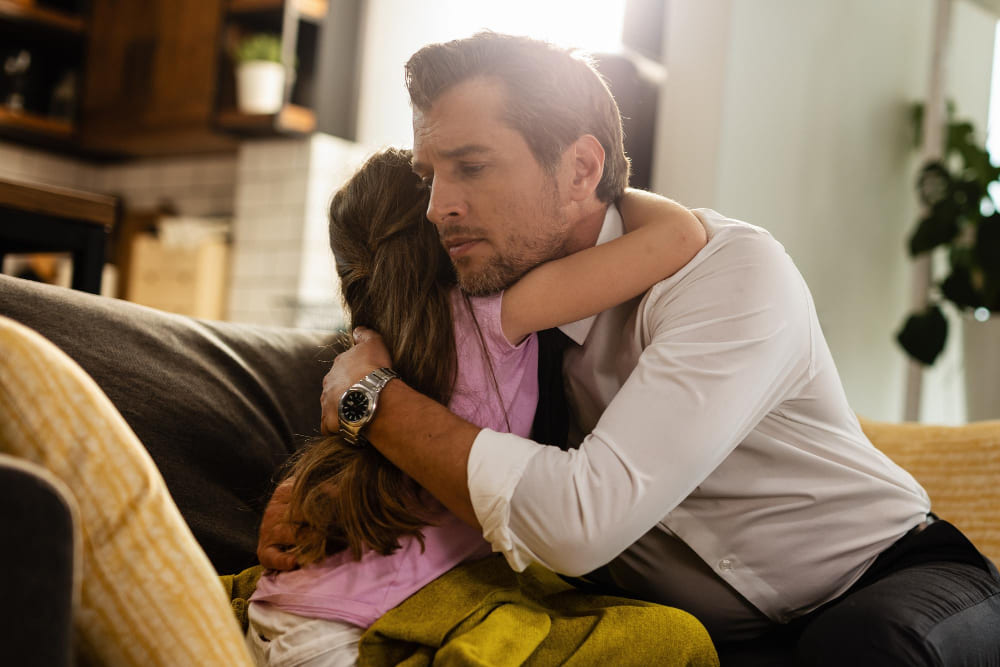
Many adults do not realize that their relationship struggles may have roots in childhood experiences they never fully healed from.
What Is Childhood Trauma?
Childhood trauma does not always mean extreme abuse or major events. Sometimes emotional pain develops from repeated experiences such as:
- Emotional neglect
- Constant criticism
- Lack of affection
- Witnessing conflict at home
- Abandonment
- Unpredictable parenting
- Feeling emotionally unsafe
- Growing up without emotional validation
Children may not fully understand these experiences at the time, but the emotional impact often stays in the nervous system for years.
How Trauma Affects Adult Relationships
Fear of Abandonment
Adults who experienced emotional inconsistency during childhood may become deeply afraid of rejection or being left behind.
In relationships, this may appear as:
- Overattachment
- Constant reassurance seeking
- Fear during small conflicts
- Anxiety when partners need space
Even healthy distance can feel emotionally threatening.
Difficulty Trusting Others
If trust was broken early in life, emotional safety may feel difficult in adulthood.
Some people may:
- Expect betrayal
- Struggle to open up emotionally
- Overthink their partner’s behaviour
- Keep emotional walls for protection
Love becomes difficult because vulnerability feels unsafe.
Common Signs Childhood Trauma Is Affecting Relationships
- Overthinking partner’s behavior constantly
- Fear of not being “good enough”
- Difficulty setting healthy boundaries
- Feeling emotionally needy or emotionally distant
- Becoming attached too quickly
- Struggling with trust and reassurance
- Feeling lonely even in loving relationships
- Self-sabotaging healthy relationships
Healing Is Possible
Become Aware of Emotional Patterns
Healing often begins by recognizing:
“My reactions may be connected to past emotional wounds.”
Awareness reduces self-blame and increases emotional understanding.
Learn Healthy Emotional Communication
Expressing emotions safely is an important part of healing. Instead of reacting impulsively, learning to communicate fear, insecurity, sadness, and needs calmly helps build healthier connections.
Seek Therapy or Emotional Support
Professional counselling can help individuals process unresolved trauma, attachment wounds, and emotional triggers in a safe environment.
Healing childhood pain often improves:
- Relationship stability
- Emotional regulation
- Self-esteem
- Communication
- Trust
Childhood trauma does not make someone incapable of love. It simply means their heart learned survival before emotional safety.
Many adults are trying to love others while still healing the younger version of themselves who once felt unseen, unheard, or emotionally unsafe.
With awareness, support, and healing, relationships can slowly become a place of comfort instead of fear.
Need support with emotional healing?
Speaking with a therapist can help you understand emotional patterns, relationship triggers, and healthier ways to connect.
Book a Session