
Why People Stay in Toxic Relationships
Many people wonder: “If the relationship is hurting them, why don’t they just leave?” The reality is that toxic relationships are often emotionally complicated.
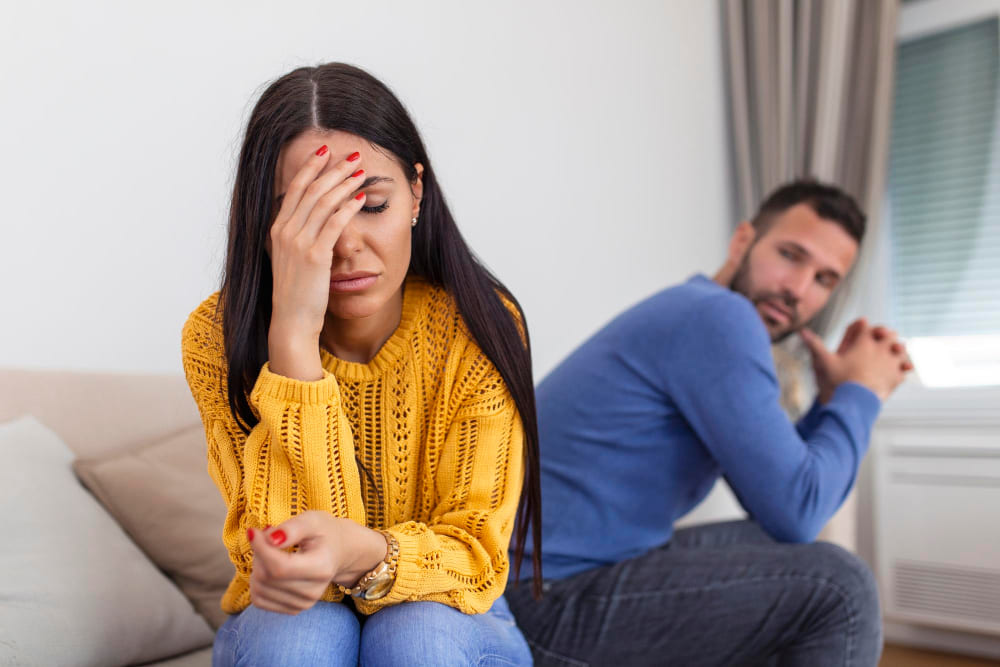
Leaving is not always simple, especially when love, fear, hope, attachment, and emotional dependency become deeply connected.
People do not stay in toxic relationships because they enjoy pain. Often, they stay because emotional wounds, fear, and psychological attachment make it difficult to walk away.
What Is a Toxic Relationship?
A toxic relationship is one that repeatedly causes emotional pain, stress, fear, manipulation, or emotional exhaustion instead of emotional safety and mutual respect.
Signs may include:
- Constant criticism
- Emotional manipulation
- Controlling behaviour
- Disrespect
- Lack of trust
- Emotional neglect
- Repeated hurtful patterns
- Fear, guilt, or anxiety within the relationship
Toxic relationships may not always look unhealthy from the outside. Some harmful patterns remain hidden behind moments of love and affection.
Reasons People Stay in Toxic Relationships
1. Emotional Attachment and Hope
Many people stay because they remember the good moments and hope the relationship will improve again.
They may think:
“Things were beautiful before.”
“Maybe they will change.”
“I just need to try harder.”
Hope can keep people emotionally attached even when they are deeply unhappy.
2. Fear of Being Alone
For some individuals, loneliness feels more frightening than emotional pain.
They may fear:
- Starting over
- Emotional emptiness
- Social judgment
- Losing emotional support
- Never finding love again
As a result, they may remain in unhealthy situations to avoid abandonment or isolation.
3. Low Self-Worth
Toxic relationships can slowly damage self-esteem. Over time, a person may begin believing painful thoughts about themselves.
“Maybe I deserve this.”
“Nobody else will love me.”
“I am too difficult to love.”
When self-worth becomes weak, leaving can feel emotionally impossible.
4. Trauma Bonding
Sometimes toxic relationships create intense emotional highs and lows. After emotional pain, moments of affection or apology may feel extremely comforting.
This cycle can create strong emotional dependency known as trauma bonding. The brain begins craving relief after emotional hurt, making the attachment harder to break.
Trauma Bonding Cycle
This repeating cycle often keeps people emotionally trapped, even when the relationship is causing pain.
Signs Someone May Be Stuck in a Toxic Relationship
- Constant anxiety around the partner
- Walking on eggshells
- Feeling emotionally drained
- Losing confidence and identity
- Feeling responsible for fixing everything
- Repeatedly forgiving harmful behaviour
- Isolating from friends or family
- Feeling unhappy most of the time
Why Leaving Can Feel So Difficult
Leaving a toxic relationship often involves grieving more than just the person. It may also mean grieving the emotional attachment, future dreams, memories, identity within the relationship, and hope for change.
Even painful relationships can create deep emotional dependence. Healing usually takes time, support, and emotional rebuilding.
How Healing Begins
Recognizing the Pattern
The first step is understanding:
“Love should not constantly hurt.”
Awareness helps break denial and emotional confusion.
Rebuilding Self-Worth
Healthy healing includes reconnecting with the parts of yourself that may have been weakened inside the relationship.
- Self-respect
- Emotional boundaries
- Supportive relationships
- Personal goals
- Emotional independence
Seeking Support
Trusted friends, family members, counsellors, or mental health professionals can provide emotional clarity and safety during difficult transitions.
No one should have to navigate emotional pain completely alone.
Final Thought
People stay in toxic relationships for many emotional and psychological reasons — not because they are weak.
Sometimes the heart becomes attached to the hope of love, even while suffering from the pain of it.
Healing begins when a person realizes that real love should bring emotional safety, respect, peace, and dignity — not constant fear, confusion, or emotional exhaustion.
Need support to understand relationship patterns?
Speaking with a therapist can help you understand emotional attachment, trauma bonding, boundaries, and healthier ways to rebuild self-worth.
Book a Session